Abou Jaoude, G., Albrecht, B., Atta, M., Badnjar, A., Braun, S., Bruno, G., Caimi, J.-M., Fanelsa, N., Haddaway, N., Huber, N., Humiński, N., Inglez de Souza, D., Judkowsky, N., Katsikis, N., de Klein, K., Lepik, A., D. López Rodríguez, M., Müller, J., Muñoz Sanz, V., … Luis Vicente Vicente, J. (2026). Convivium: Food Systems at the Limit (A. Badnjar & A. Lepik, Eds.). ArchiTangle.
‘CONVIVIUM – Food Systems at the Limit’ takes readers on a journey through the intricate networks that feed the world. Exploring how food production shapes landscapes, cities, and everyday life, the book reveals the architecture of our global food systems.
From greenhouses and fishing ports to farms and feed-crop fields, Convivium examines how architecture and territory respond to the pressures of global food production and consumption. Through a rich interplay of essays, photography, and research, it highlights the environmental, political, and social challenges that shape what, and how, we eat.
The book invites us to look beyond the everyday meal and rethink the systems behind it: how food shapes the world we inhabit, and how we might imagine more sustainable and equitable ways of living together. Featuring several chapters by the Urban Design team at TU Delft, with their contributions highlighted here.
Convivium is based on the exhibition at the Architekturmuseum der TUM, co-curated with TU Delft. The catalogue is available in English and German and can be purchased through the CEDON museum shop.
Catch the exhibition in Munich until 18 October.
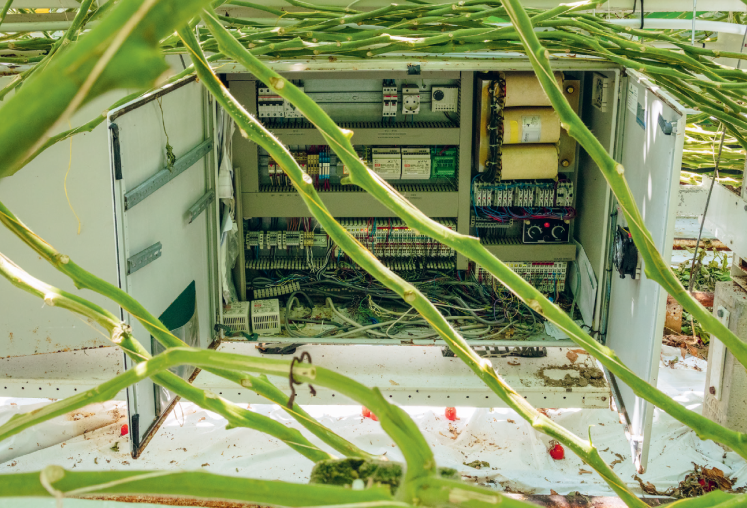
This chapter examines Dutch Controlled Environment Agriculture (CEA) through the greenhouse landscapes of the Westland. While CEA is often celebrated as a climate-resilient and technologically advanced model for food production, the research reveals the wider spatial, social, and environmental implications that lie beyond the greenhouse.
By tracing the interconnected systems of technology, labour, energy, land, and resource flows, the project uncovers the networks that sustain Dutch greenhouse agriculture and its global reach. In doing so, it challenges dominant narratives of profit, efficiency and innovation, inviting spatial practitioners to rethink the relationship between large technical systems, society, and the environment.
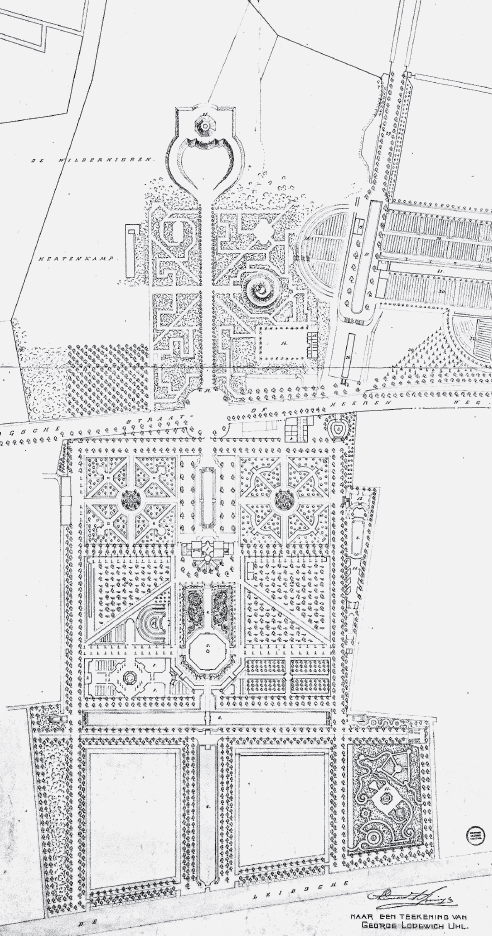
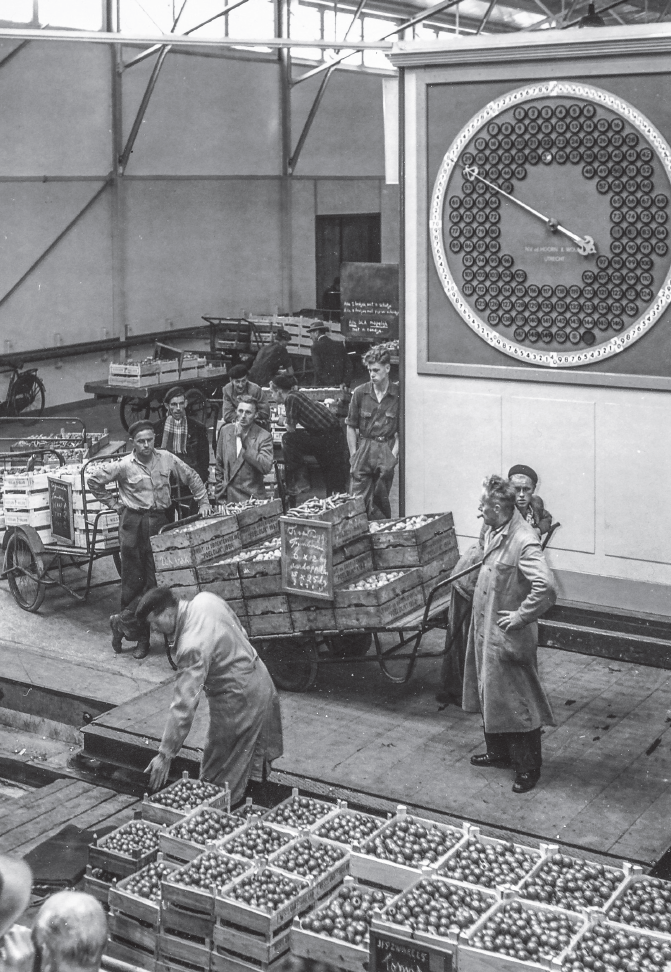
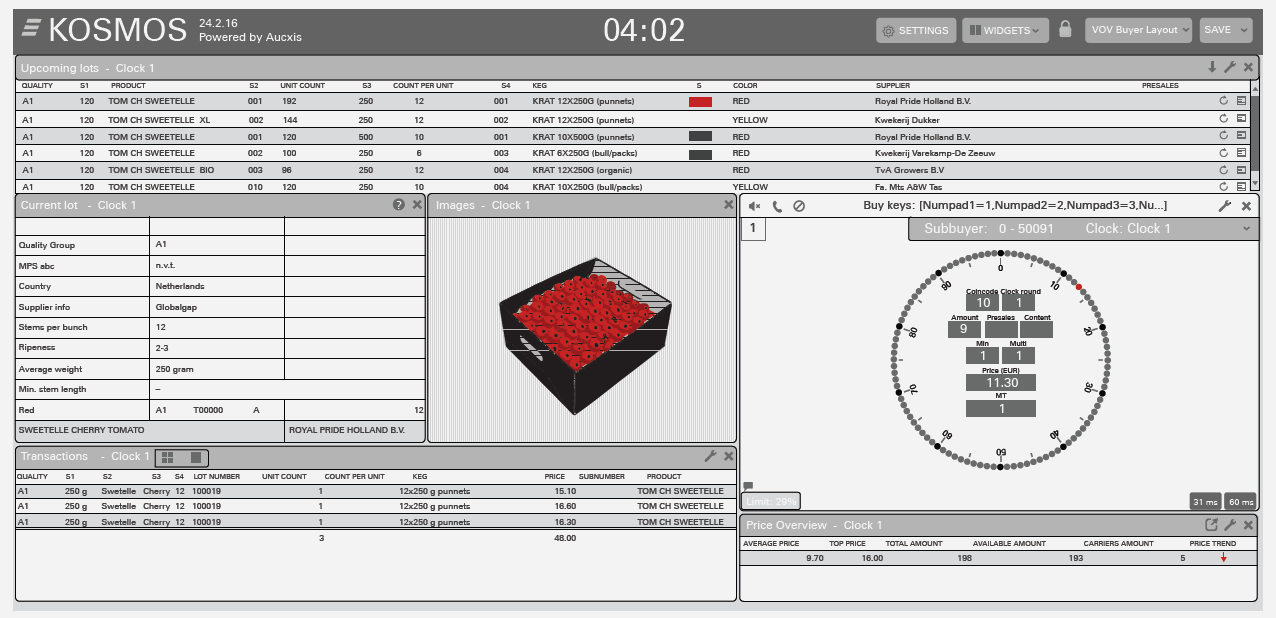
Through exploring 3 vignettes from 1735, 1934, and 2022 this chapter traces the history of plant classification in the Netherlands, revealing how today’s digital food systems are rooted in centuries of scientific, architectural, and logistical innovation.
Following the journey from Linnaeus’s botanical taxonomies and greenhouse experiments to auction clocks and the KOSMOS cloud platform, it shows how practices of observation, standardization, and classification have evolved from scientific inquiry into algorithmic market systems.
By uncovering the historical infrastructures that underpin contemporary digital technologies, the chapter challenges narratives of technological novelty and offers a critical perspective on the relationship between knowledge, automation, and the future of food systems.
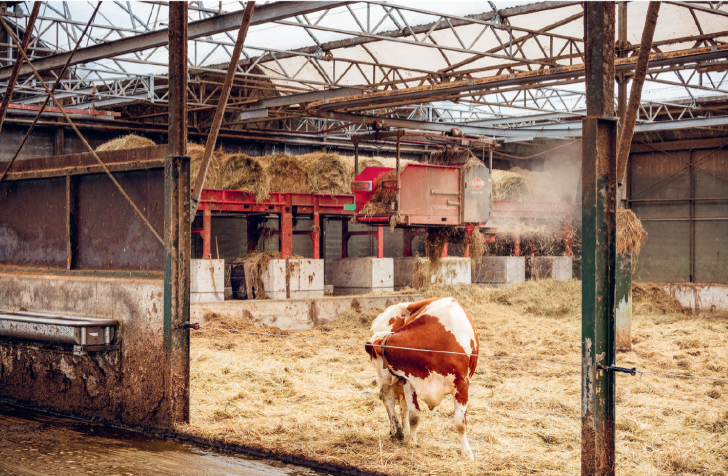
This chapter examines the architecture of the modern dairy barn as a technoscientific system that transforms cows into productive capital.
Drawing on historical zootechnical handbooks, industrial catalogues, and contemporary farming technologies, it traces how architecture, hygiene, material innovation, and animal welfare have shaped the design of industrial cattle farming. Rather than viewing the barn as a neutral agricultural building, the chapter reveals it as an infrastructure that organizes labour, production, and the metabolic lives of animals.
By uncovering the historical and material logics embedded in the dairy barn, the chapter offers a critical perspective on the relationship between architecture, capitalism, and the industrialization of food production.
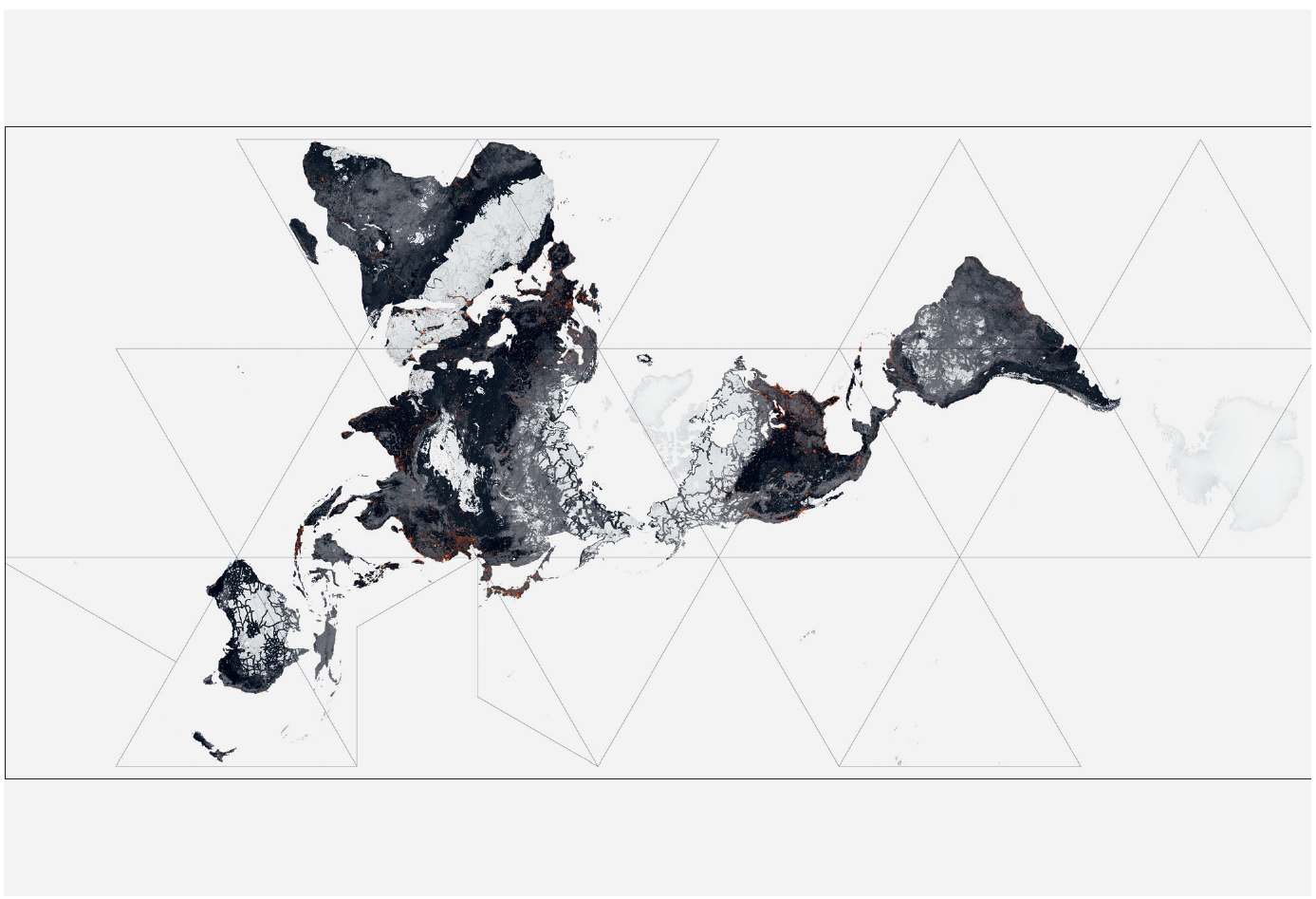
With the global human population growing and concentrating in urban areas, this chapter explores the vast quantity of land required to sustain and feed these populations meat. With land directly inhabited by people occupying 2-3% of the earths land surface – whereas 70% of the planets terrain has been operationalised to support their metabolic needs.
The expansive metabolic infrastructures that these animals or livestock for human consumption exist within require feed, water, antibiotics, energy, and waste processing often on a planetary scale. These produce their own hinterlands of soy and corn monocultures, fertilizer, shipping etc. This chapter introduces the notion of the ‘livestock hinterglobe’ as a spatial lens in order to understand these geographies.
These systems are often driven by profit, and thus divorced from historic systems of resilience. Thus, we can question this globalised spatial decoupling, instead focusing on situated interdependence.